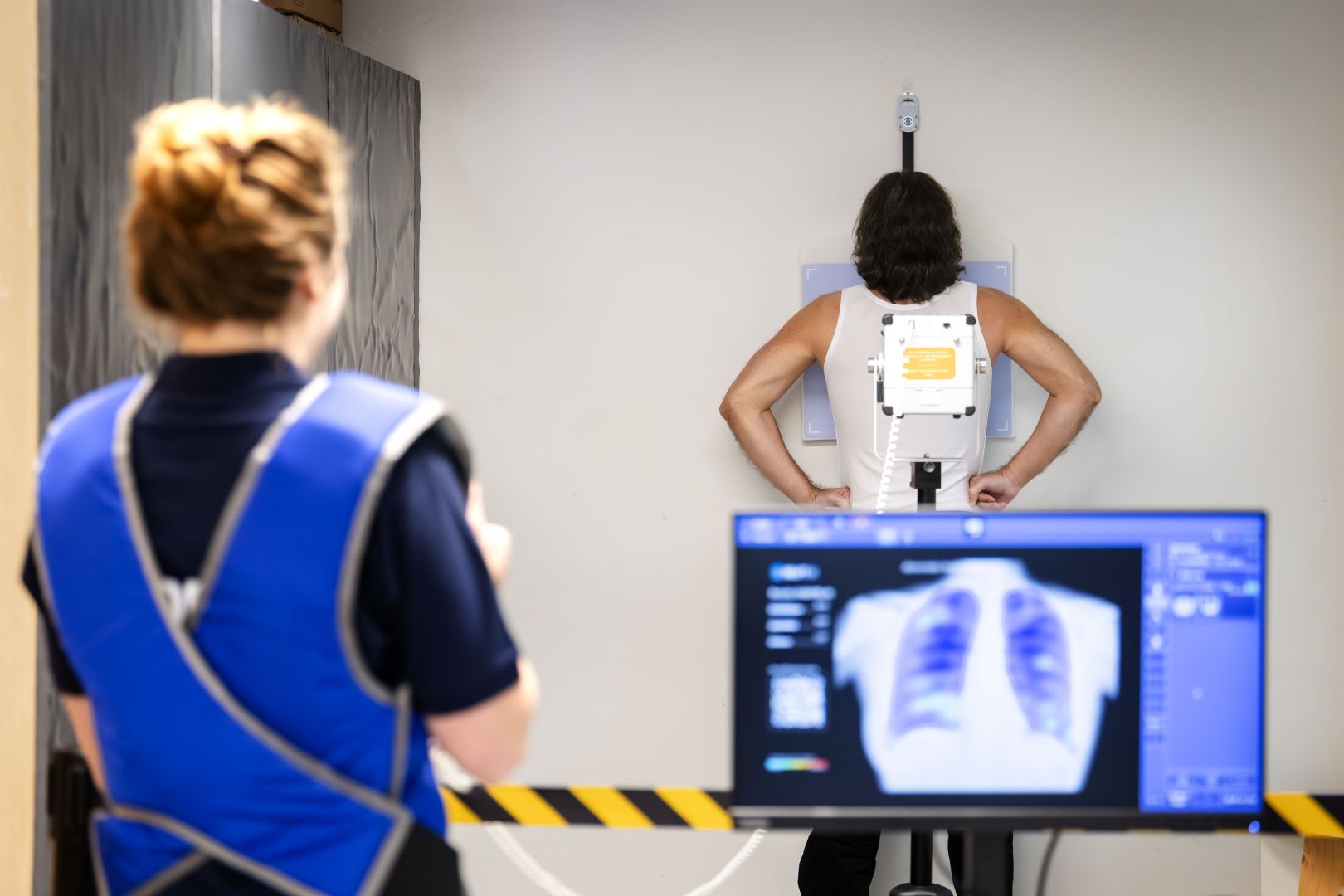
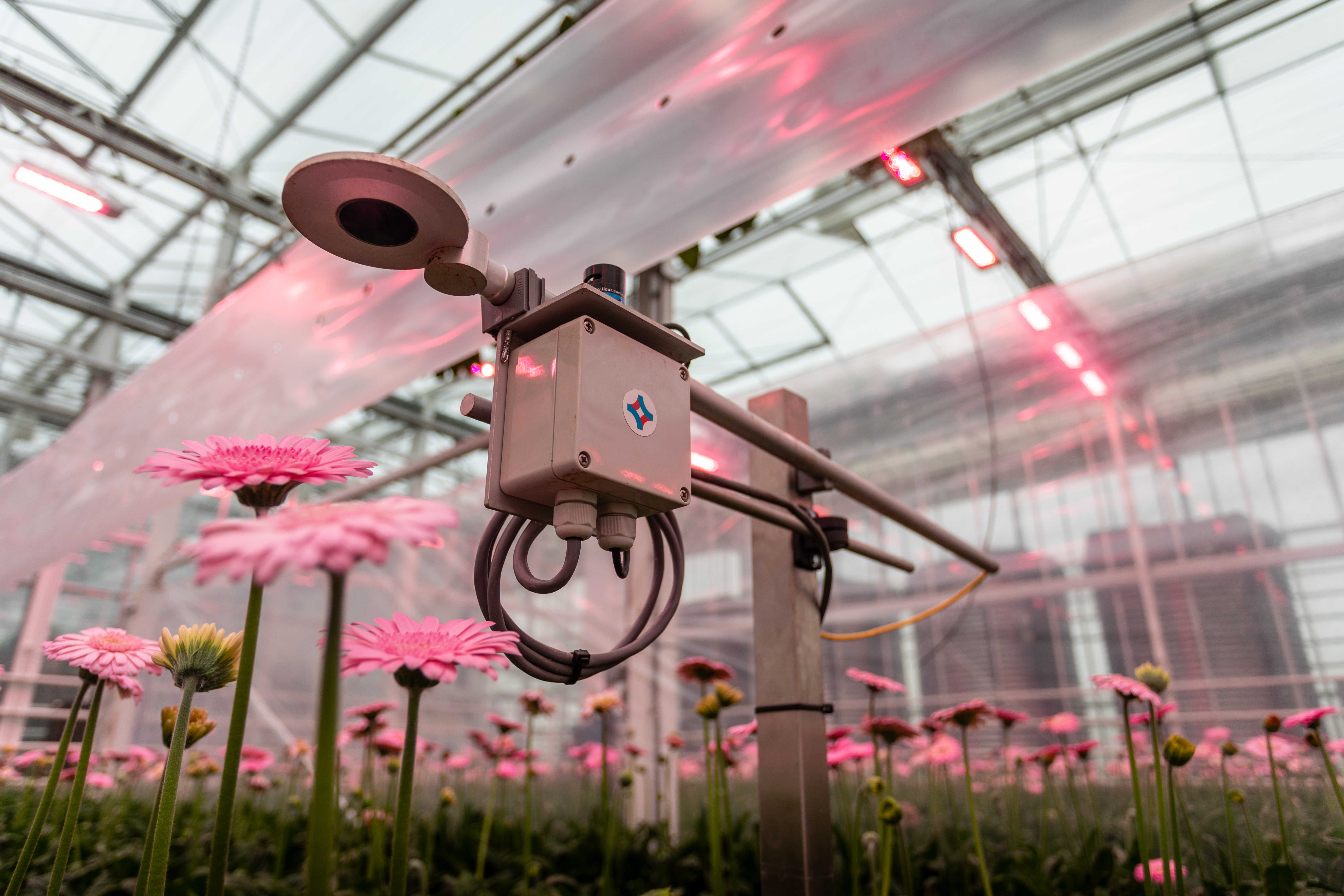
Imaging Technologies in the Netherlands

The Netherlands has collaborative networks instead of isolated solutions, as diagnostic delays and equipment shortages have challenged global healthcare systems. This has created Europe's leading precision imaging ecosystem, which welcomes your contribution. This deliberate evolution began with Philips' 1917 X-ray tube repairs, first used for Eindhoven TB screening, to today's multi-sector precision imaging leader, welcoming your contribution. This spans medical diagnostics, security scanning, precision metrology, and agri/food quality control.​
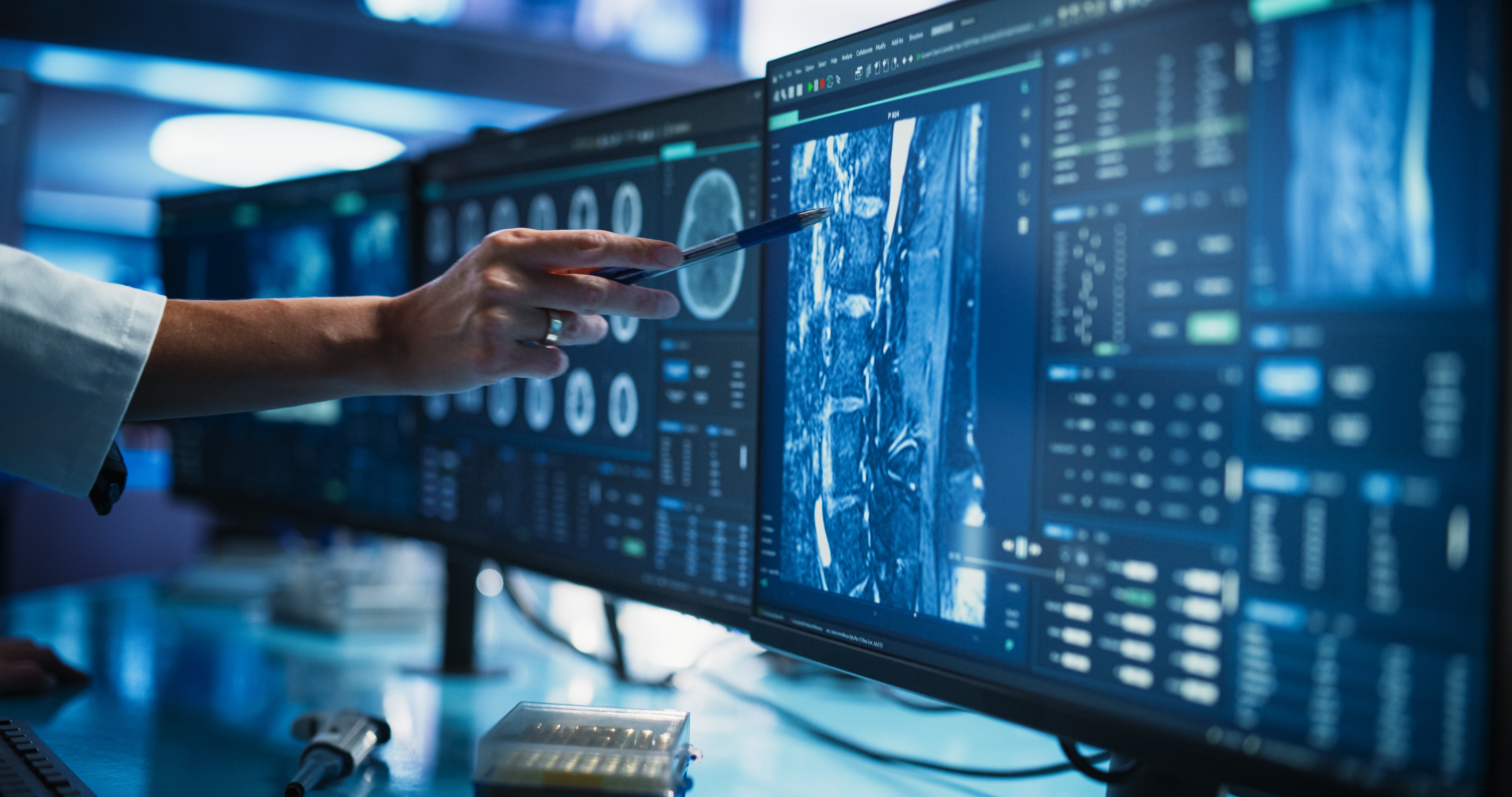
Medical imaging technologies on screens

The Dutch government strategy prioritises intelligent imaging networks across industries. The NEN7541 standard and AI-for-Health programs mandate interoperability from R&D through deployment, while the 2026 NTS Action Agenda on Imaging Technologies drives applications from hospital MRI to airport security and food inspection.

Building on this strategic foundation, orchestration now powers implementation and connects key players across the ecosystem. MedTech Delta connects medical AI consortia, industrial metrology hubs, security imaging exports, and agri-tech sensing in line with the national imaging roadmap.

The Dutch imaging story reaches worldwide. Entrepreneurs, skilled migrants, and global talent increasingly select the Netherlands for its patient-centred innovation climate, industrial quality control, security applications, agri/food safety leadership, seamless public-private partnerships, and pivotal role in Europe's precision health revolution. Their expertise fuels an ecosystem ready for anyone committed to advancing diagnostic excellence.

The Netherlands leads global imaging across medical diagnostics, security screening, precision metrology, and agri/food inspection, leveraging the NTS Action Agenda on Imaging Technologies for cross-sector growth.


Definition & Importance

Imaging technologies encompass a broad range of medical devices and systems used for diagnosis, treatment planning, and monitoring patient care. This includes diagnostic imaging equipment such as MRI/CT/ultrasound for healthcare, hyperspectral cameras for agri/food quality, X-ray systems for security screening, and metrology sensors for semiconductor inspection. From Philips' Rotalix X-ray tube (1929), enabling organ imaging to modern AI across sectors, Dutch innovation transforms raw pixels into actionable insights. This ecosystem-level innovation is reflected in the next generation of entrepreneurs building on Dutch imaging strengths. Wouter Vijvers, Founder of Chromodynamics BV, brings a fresh perspective to this ecosystem. Based in the Brainport Eindhoven region, he leads a promising Dutch startup that raised €2 million in seed funding to develop spatial biology platforms combining custom fluorescent dyes, automated microscopy, and AI software for pharmaceutical tissue analysis. His commitment to multidisciplinary teams and solving real customer problems reflects the collaborative innovation driving Dutch imaging technologies.

"I think it's more interesting to work in a multi-faceted team. Hardware engineers, biologists, software engineers, and so on. It's very interesting to learn new things from my colleagues, from areas that are pretty far from my background."

Wouter Vijvers, Founder Chromodynamics BV
 

The industry is crucial for healthcare delivery, enabling early disease detection, precise diagnosis, and personalised treatment approaches. The Netherlands leads in imaging technologies through integrated innovation across hospitals, universities, tech firms, and government initiatives. This ecosystem shifts imaging from standalone equipment to intelligent, patient-centred diagnostic networks. Real-time AI analysis and collaborative platforms demonstrate how precision medicine flourishes through shared expertise rather than siloed development.

Nico van den Berg, a leading figure at UMC Utrecht, brings authoritative expertise to this ecosystem. Spearheading MRI innovation with over 100 PhD students and postdocs, he leads the Imagine project and MRI Innovations program that delivered the world-changing MRI-LINAC system. His work exemplifies Dutch innovation, bridging academia and clinical practice through partnerships with Philips and Elekta. Such interconnected efforts highlight the contributions of individuals like Nico van den Berg.

"The MRI-LINAC has been developed at Utrecht over the course of about 15 to 20 years. Together with Philips and Elekta, we combined MRI capabilities with linear accelerator systems. Now the MR-LINAC is operational in about 120 clinics worldwide, and we can really pride ourselves on making a real direct impact."

Nico van den Berg, Imaging Technology Expert UMC Utrecht

Amsterdam UMC coordinates national AI consortia while Philips pioneers sustainable MRI solutions. With 99% digital health readiness and Europe's highest density of advanced radiology departments, the Netherlands maintains global standards in accessible, high-precision imaging. This leadership sets the stage for robust market projections.
 

Market Size & Growth

€1.8B medical imaging market grows alongside €500M+ security/metrology/agri-food exports.Cross-sector expansion accelerates through IGI global dominance (#1 worldwide), ultrasound leadership, and AI adoption across 85%+ of facilities, per NTS Action Agenda priorities. 

Medical applications claim 65% market share (Philips IGI #1, Utrecht MR-Linac, MRI diagnostics technologies, Amsterdam cardio, ultrasound, AI diagnostics), industrial metrology 20% (ASML inspection, Quantum Delta sensors, industrial AI), security screening 10% (Delft X-ray exports), and agri-food quality control 5% (hyperspectral imaging, contamination detection). This diversified portfolio maximizes economic impact across healthcare delivery, manufacturing precision, border security, and food safety.

Over 85% of hospitals deploy AI tools, establishing national leadership in European imaging innovation. The government invests €45 million in AI-for-Health grants, while private funds support quantum imaging startups. Portable ultrasound is growing at 9.5% CAGR, with AI reconstruction software accelerating at 13.4% CAGR. Hospitals secure 70% market share, while ambulatory facilities achieve 7.2% CAGR growth. 

Such expansion creates fertile ground for expert-led advancements in AI diagnostics.

Jonas Teuwen, AI Engineer Group Leader at the Netherlands Cancer Institute (NKI), brings a dual academic and entrepreneur perspective to this growth. Leading a team of 15 researchers who process 500 terabytes of imaging data annually, he develops AI models predicting cancer recurrence and treatment responses across the full care spectrum. As a serial startup founder, Jonas bridges cutting-edge research with practical healthcare solutions in the Netherlands' interconnected hospital ecosystem. 

"The advantage the Netherlands has is they have a very good ecosystem of hospitals that are very well connected. Everyone knows everyone in a way. So the infrastructure to develop AI-based healthcare models is very good."

Jonas Teuwen, AI Engineer Group Leader Netherlands Cancer Institute (NKI)
 

The Netherlands holds the 5th position globally in medical instrument exports with $9.38 billion in 2023. The Netherlands prioritises exports in France ($1.62 billion), Italy ($1.44 billion), Spain ($642 million), and Japan ($612 million).


Segment-Specific Insights

AI-powered diagnostics lead adoption, with lung analysis and fracture detection in 36% of departments, with projections of scaling to 70% coverage by 2028. Portable ultrasound and point-of-care systems grow rapidly among SMEs and rural clinics needing scalable imaging.

Healthcare verticals lead spending due to the prevalence of chronic diseases and the demands of precision oncology. Quantum sensors and robotic systems target high-precision niches such as mammography and biopsies. These specialised systems deliver measurable economic returns.


Productivity and Economic Impact

Imaging technologies bolster the Dutch healthcare economy, contributing 4.5% to GDP through faster diagnoses and reduced wait times. Advanced systems cut MRI scan durations by 60%, minimising downtime in oncology and neurology.

In 2025, 1.2 million patients benefited from AI-accelerated workflows, supported by €120 million in national health tech investments. Dense hospital infrastructure combined with export dominance maximises the economic impact of medtech manufacturing nationwide. Such growth is powered by a mix of global incumbents and specialised Dutch innovators.


Key Players & Market Share

The Netherlands imaging market unites global leaders and homegrown innovators in a cohesive ecosystem advancing diagnostic precision. Maarten Versluis, Magnetic Resonance Clinical Specialist at Philips Healthcare, brings deep expertise to this ecosystem. With over 20 years in MRI, focusing on brain imaging and neuroscience, he works within Philips' clinical science team of 12 specialists, bridging academic research with commercial development. Collaborating with Johns Hopkins University, Mayo Clinic, and Samsung Medical Centre, he translates radiologists' needs into innovation opportunities through global co-creation projects.

"I think, especially in imaging technologies as a whole, the Netherlands actually plays a much larger role than you would expect based on the number of people we have. And I think that's primarily because we had Philips here in the Netherlands, focusing a lot on medical imaging."

Maarten Versluis, Magnetic Resonance Clinical Specialist Philips Healthcare
 

Philips dominates medical MRI (45% share), security screening, and industrial imaging; Thirona/Aidence lead AI diagnostics across medical/industrial applications; Delft Imaging exports portable X-ray to security/agri-food markets; ASML supplies metrology imaging for semiconductor fabs; Quantum Delta NL advances cross-sector sensor tech.


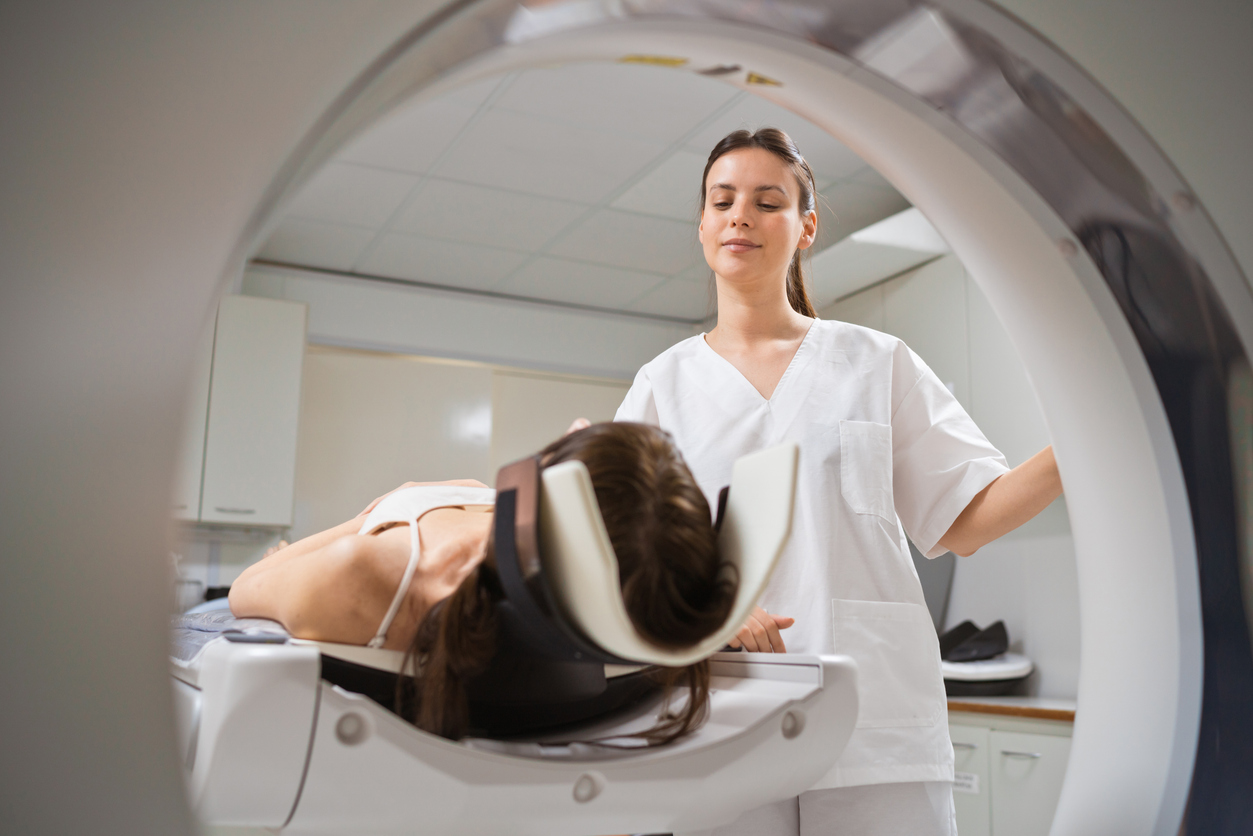
Medical scan

Technology Advancements

The Netherlands provides strong venture support for imaging technology. Quantum Delta NL's €615 million anchors a €3.6 billion ecosystem, with Invest-NL backing AI diagnostics startups.

Health funds average €2.1 million per Series A round, targeting portable systems and robotics. Hospitals spend €4.2 million annually on upgrades. MedTech Delta connects 400+ firms, fostering global expansion and secure innovation.

This thriving imaging technologies ecosystem positions the Netherlands as Europe's diagnostic innovation capital. 

These opportunities naturally extend to rewarding career paths in the field. The country launches careers in imaging technologies from AI development to clinical deployment.


Regulatory & Policy Environment

Dutch policies convert regulation into imaging innovation. The Medical Device Regulation (MDR) implements AI validation in 25 hospital networks, while certified cloud platforms cut security incidents by 40%.

The National AI-for-Health Strategy mandates interoperability, workforce training, and public-private pilots. These frameworks mandate rigorous compliance while enabling rapid AI and quantum deployments and creating roles for certified system specialists.


Investment Climate

The Netherlands provides strong venture support for imaging technology. Quantum Delta NL's €615 million anchors a €3.6 billion ecosystem, with Invest-NL backing AI diagnostics startups.

Health funds average €2.1 million per Series A round, targeting portable systems and robotics. Hospitals spend €4.2 million annually on upgrades. MedTech Delta connects 400+ firms, fostering global expansion and secure innovation.

This thriving imaging technologies ecosystem positions the Netherlands as Europe's diagnostic innovation capital. 

These opportunities naturally extend to rewarding career paths in the field. The country launches careers in imaging technologies from AI development to clinical deployment.


More on Imaging Technologies in NL

To dive deeper, explore our articles on the 10 most important trends in the field of Imaging Technologies and what it’s like working in the industry.