10 Most important trends in Imaging Technologies

Several key trends are shaping the future of the Netherlands' imaging technologies industry. These advancements showcase medical diagnostics, security screening, agri-food inspection, and metrology leadership, positioning the country as a global leader in precision diagnostics and accessible healthcare.
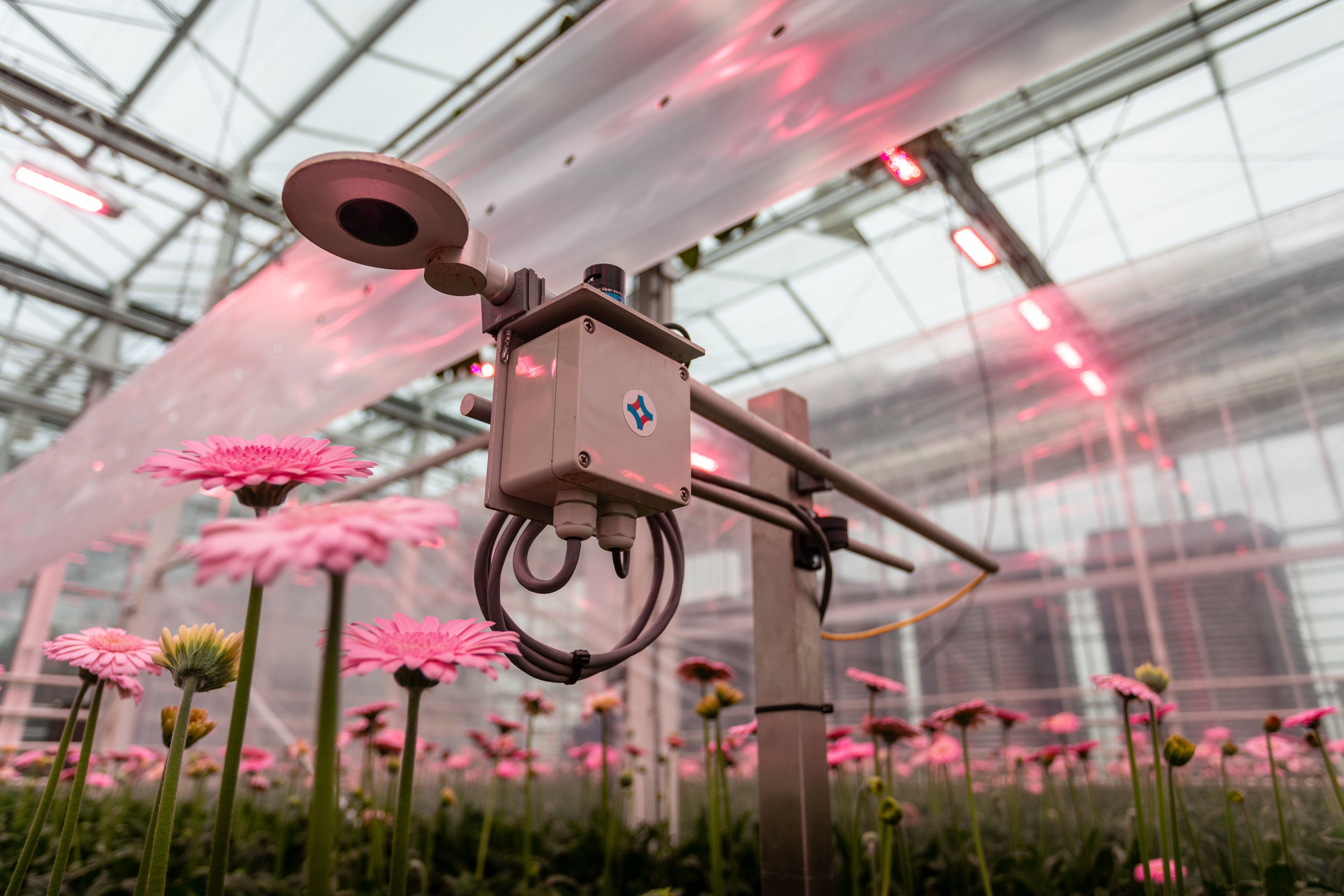
Greenhouse Horticulture in Bleiswijk - flowers
Jarno Kraayvanger / Worcflow

1. AI-Powered Image Analysis & Diagnostics

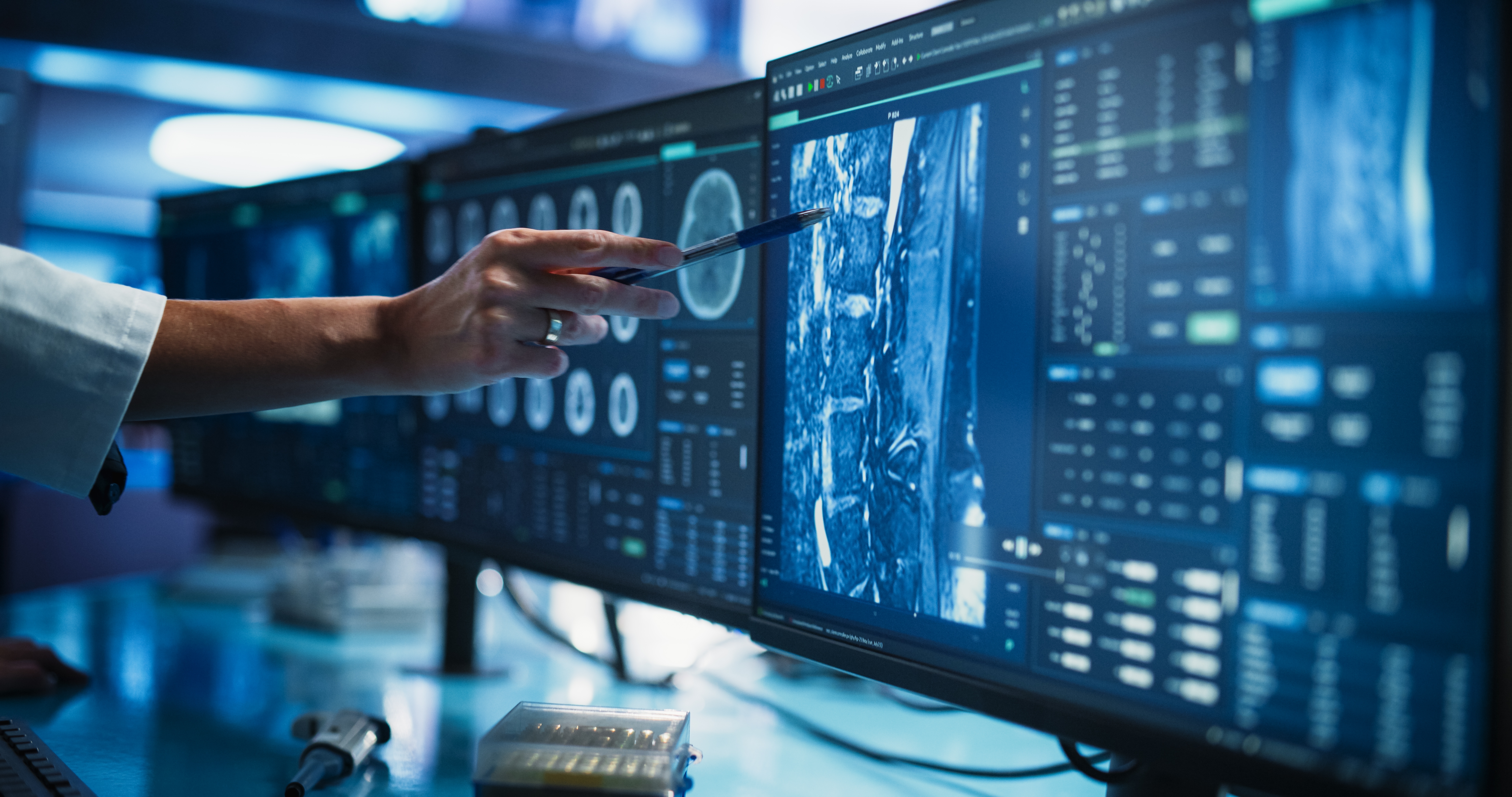
Artificial Intelligence is revolutionising diagnostic imaging across the Netherlands, with 36% of radiology departments already operational and 35% planning deployment by 2028. The AIFI project conducts pilots in five major hospitals targeting fracture detection, pulmonary embolism, and skeletal age assessment.  

"I think part of the success of AI is image analysis. And that's because humans are very visual, right? We are extremely well-adapted to take visual cues and to learn visually. The challenge is that the data sets are becoming larger. So at some point, it becomes too much for a human to process, and that's where software and AI come in."

Wouter Vijvers, Founder Chromodynamics BV
 

Dutch firms such as Thirona exemplify this at scale. Thirona leads with over 600 clinical installations, analysing more than 15 million lung images. Aidence drives lung cancer diagnostics, and Amsterdam UMC coordinates the AI4AI consortium. A market CAGR of 13.42% reflects government grants fueling seamless clinical workflow integration.
 

2. Helium-Free MRI Technology

Philips dominates with BlueSeal technology, deploying over 1,111 systems globally and saving 1.9 million litres of helium since 2018 to combat scarcity. These 900kg lighter systems skip quench pipes for basement or city-centre installations, including Europe's first mobile helium-free MRI for rural access. 

"We've been able to introduce a helium-free magnet, where it's a little bit of helium, instead of thousands of litres, it has seven litres of helium in there... We think this is really exciting because it's going to completely shift how we view MRI. After all, now we can put MRI scanners in places that previously were not possible."

Maarten Versluis, Magnetic Resonance Clinical Specialist Philips Healthcare
 

Deployments like Puerto Rico prove storm resilience. This shift boosts sustainability and expands diagnostics where traditional MRI couldn't reach.


3. Digital X-ray & Global TB Screening

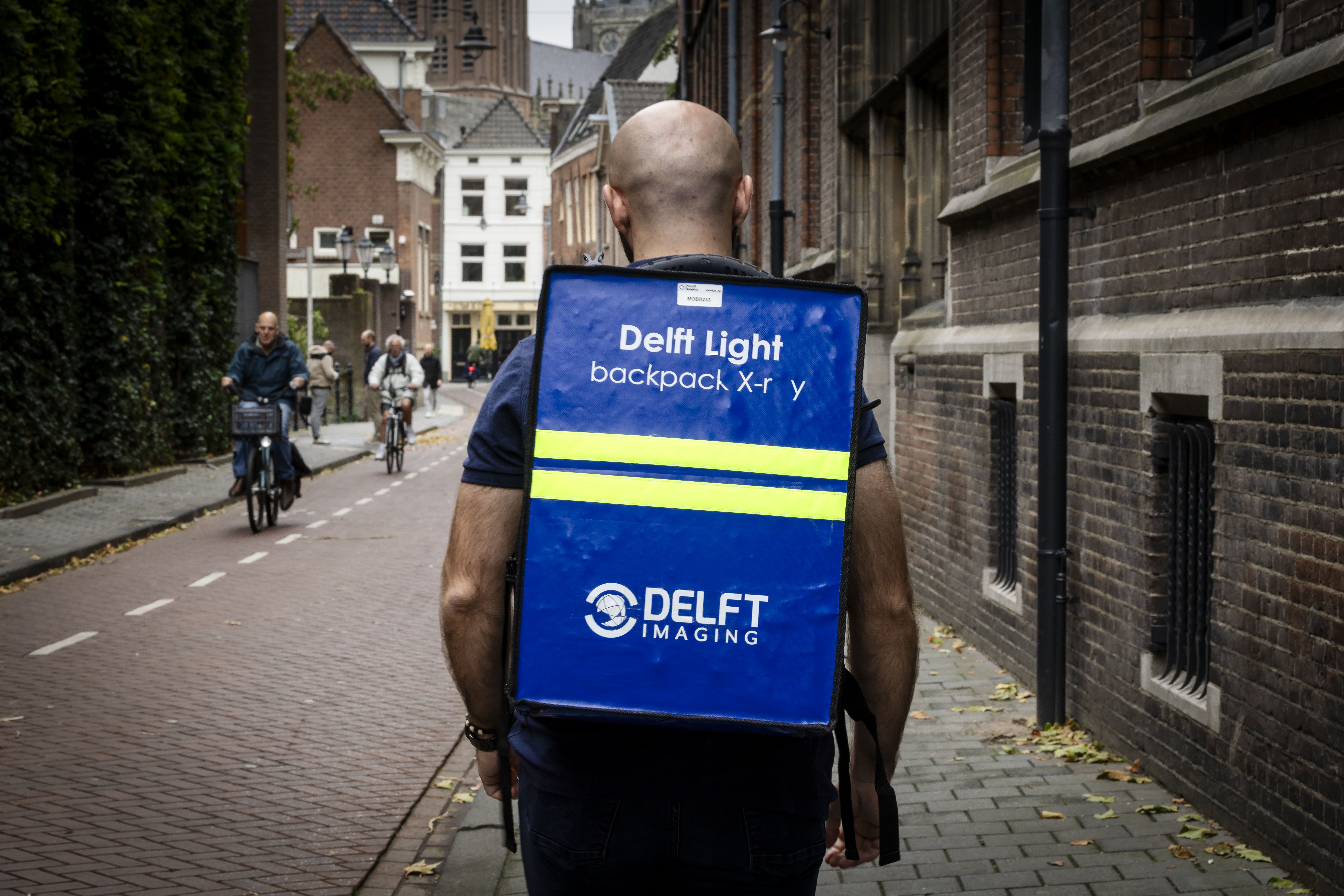
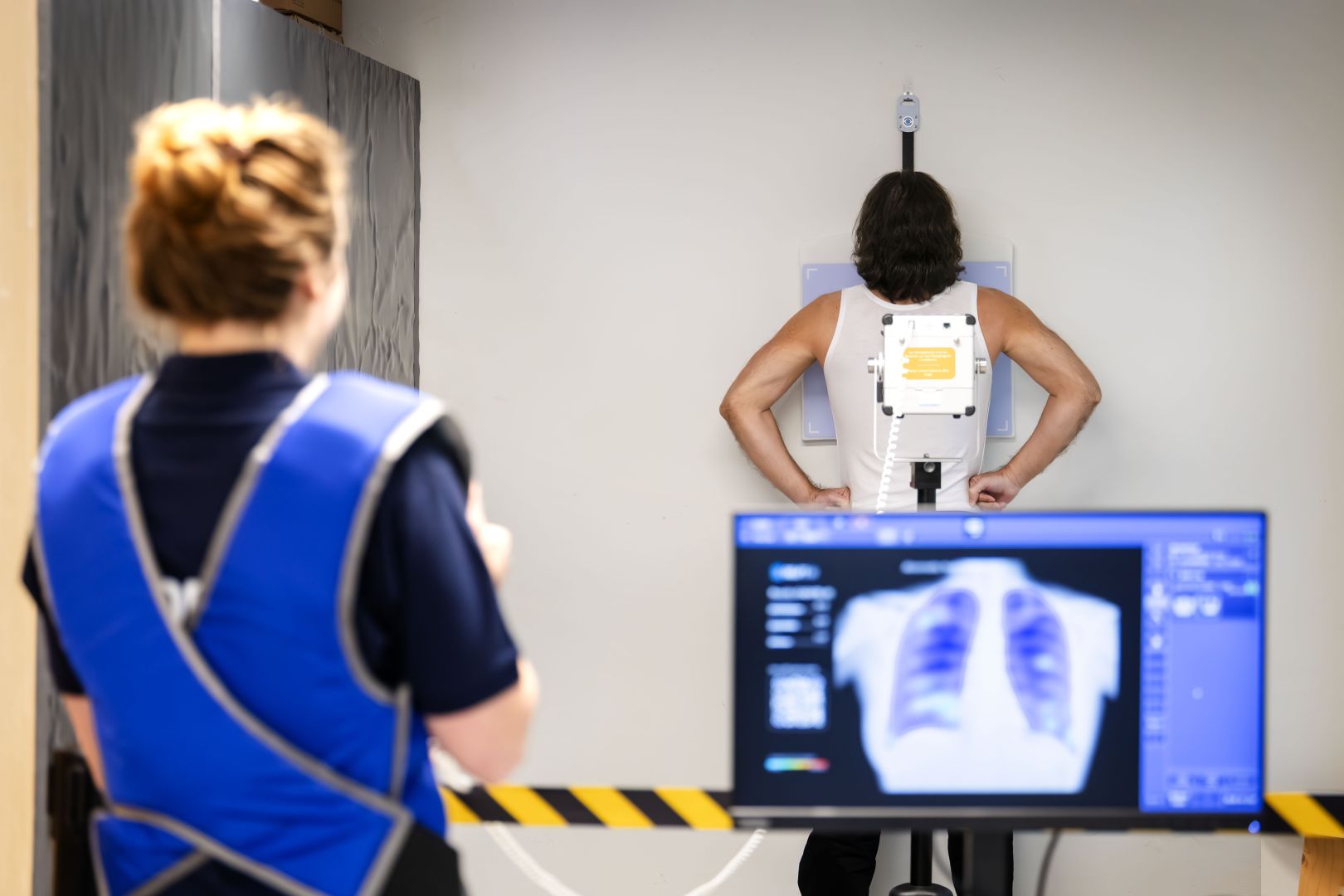
Delft Imaging's CAD4TB leads medical TB diagnosis (55M screens) and security/food safety exports across 90+ countries. Delft light portable X-ray systems paired with AI enable TB detection by non-experts in remote areas, driving Dutch leadership in digital radiography exports and global health equity.


4. Autonomous Imaging & MR-Linac Systems

Philips pioneers autonomous MRI systems requiring minimal personnel, making high-quality scans more accessible while reducing staffing demands. UMC Utrecht leads with AI-driven MR-Linac platforms that autonomously handle imaging and irradiation. These major innovations eliminate radiologist workflow bottlenecks and expand precision radiotherapy access across Europe.


5. Portable & Point-of-Care Ultrasound

The Dutch portable ultrasound market is projected to surge from €220 million to €450 million by 2033 at 9.5% CAGR, led by Delft Imaging's BabyChecker for maternal screening in low-resource areas. This leadership extends across the portable ultrasound ecosystem. EvoTouch offers voice-controlled high-end portability, Butterfly IQ3 enables semiconductor-based whole-body scans, and smartphone integrations enable 2-minute offline AI-powered pregnancy checks. This exports leadership, democratising global access.


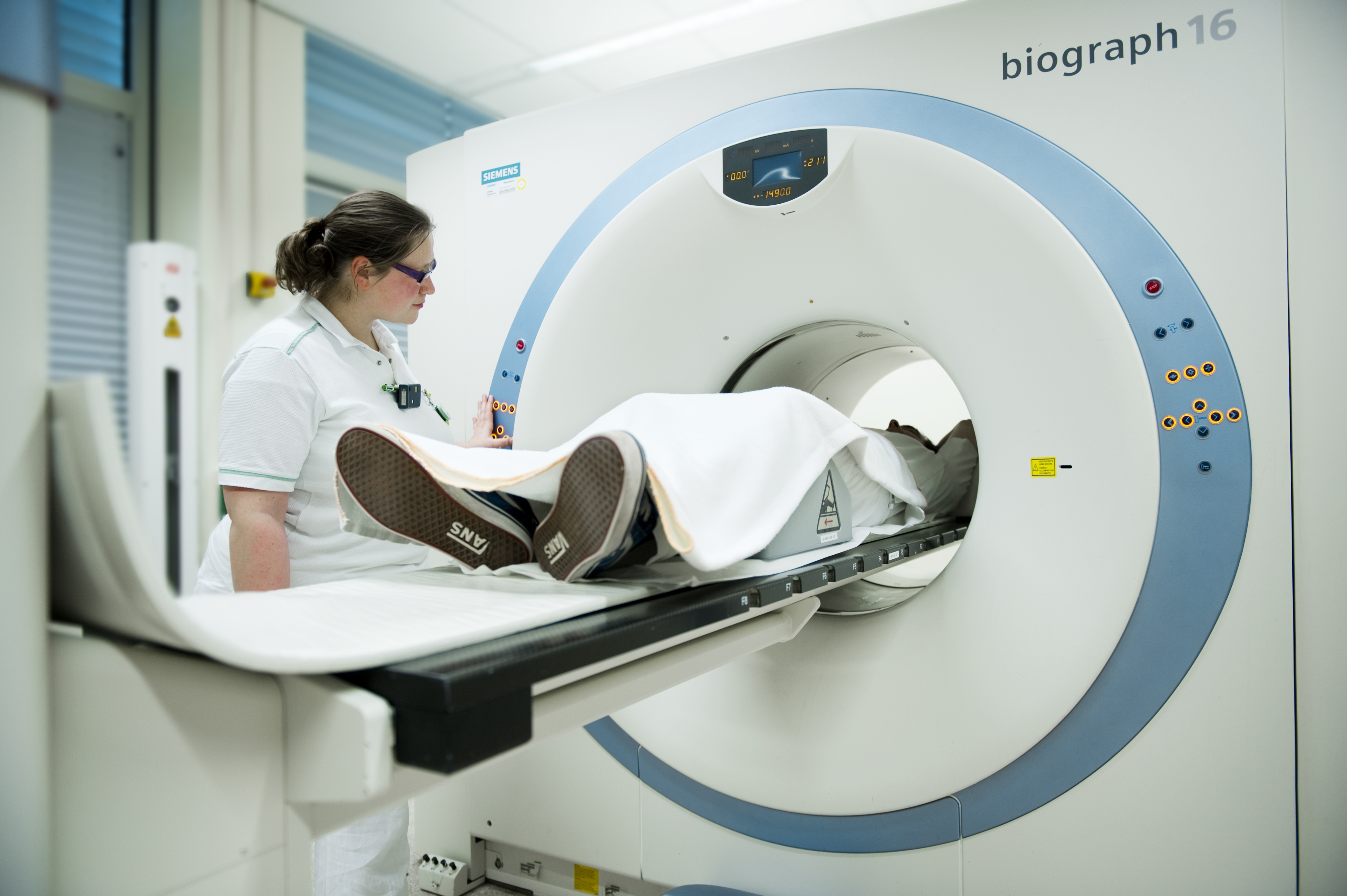
Philips MRI scan met AI
Rebekka van Loenen
portable X-ray imaging backpack for mobile medical screening
Valerie Kuypers

6. Digital Health & Telemedicine Integration

COVID accelerated permanent telemedicine imaging, with Utrecht TeleTriageTeam reducing eye care waitlists 50% via remote multidisciplinary assessment.

The Dutch Healthcare Authority ensures reimbursement under the Health Insurance Act, supporting €2.7 billion in the growth of telehealth. Value-based models deliver care "in the right place." This sustains quality while easing pressures on physical infrastructure.


7. AI-Accelerated MRI Reconstruction

Philips' AI4MRI Lab with Leiden University speeds scans 4-8x via deep learning, matching quality across vendors per NYU studies with 91-96% motion artefact detection. These breakthroughs power competition-winning solutions.

"A lot of people with math knowledge and AI knowledge are coming in, formulating the whole reconstruction problem differently, allowing new opportunities. Imaging and AI are a natural marriage—there are a lot of things happening there at the moment."

Nico van den Berg, Imaging Technology Expert UMC Utrecht
 

Winners of fastMRI challenges enable real-time quality checks. Philips' global edge boosts radiologist productivity amid rising volumes.

"AI has enabled us to do these things. So before AI, you couldn't build a model. I mean, you could build models that predict risk, but you couldn't build models that predict risk of cancer as well as you can now."

Jonas Teuwen, AI Engineer Group Leader Netherlands Cancer Institute (NKI)


8. Automated Blood Drawing Systems

Vitestro's AI-ultrasound guided robots complete over 1,500 trial draws for patients over 16 years with comorbidities, deploying at OLVG Lab and St. Antonius with full automation from ID to processing. This standardises quality amid phlebotomy shortages.

9. Image-Guided Interventions (IGI) World Leadership

Philips commands global #1 market share in cardiac/stroke interventions, powering elite cath labs at Amsterdam UMC, Catharina, St. Antonius, and Erasmus MC. UMC Utrecht dominates oncology IGI through MR-Linac (120+ clinics worldwide) and theranostics, delivering the largest clinical and economic impact.

10. Ultrasound Innovation Leadership

Philips' world-leading ultrasound platforms power Erasmus MC and Radboud UMC excellence across cardiology to oncology applications. €450M portable ultrasound market grows at 9.5% CAGR**, perfectly complementing IGI precision.

These trends showcase the Netherlands' leadership in AI acceleration, remote diagnostics, image-guided therapies, and sustainable systems. By prioritising accessibility, precision radiotherapy, and global health equity, the country establishes itself as Europe's hub for diagnostics and intervention, creating opportunities for trainers, developers, and clinical innovators worldwide.


Next steps

The Netherlands has advanced from a centre of medical device manufacturing to Europe's forefront in imaging technologies, driven by collaborative networks that emphasise shared progress over proprietary silos and unified patient care over disjointed advancements. 

The Dutch ecosystem combines top-tier research from Leiden University and TU Twente, €615 million Quantum Delta NL funding, trailblazing companies like Philips and Delft Imaging, and robust industry-government alliances, delivering proven multi-industry dominance across healthcare diagnostics, security, agri/food, and metrology.

The Netherlands creates ideal conditions for innovation and careers with 1,500+ global helium-free MRIs, AI diagnostics scaling 36% to 70% adoption by 2028, and 9.5% CAGR portable ultrasound growth.

Now is your opportunity to engage in this dynamic field as a corporate trainer, content creator, entrepreneur, or specialist across medical radiology, airport security imaging, food safety sensing, or precision metrology, helping shape a healthier, more connected future through imaging excellence in the Netherlands and worldwide.


More on Imaging Technologies in NL
To dive deeper, explore our articles on imaging technologies in the Netherlands and working in the industry.