10 Most important trends in Mechatronics & Optomechatronics

Dutch excellence in mechatronics and optomechatronics stems from seamless industry-research-education partnerships. Advanced fields such as precision engineering, AI-enhanced system design, and quantum photonics are transforming manufacturing and communication technologies. Industry 4.0 initiatives integrate IoT, automation, and digital twins to improve efficiency, and sustainability efforts focus on circular economy practices and energy-efficient connectivity. This dynamic ecosystem, supported by world-class institutions and innovative companies, fosters continuous growth and positions the country at the forefront of smart manufacturing and high-tech innovation.
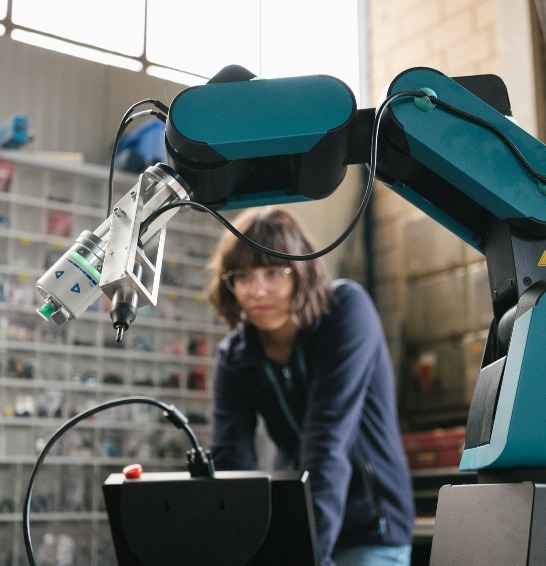
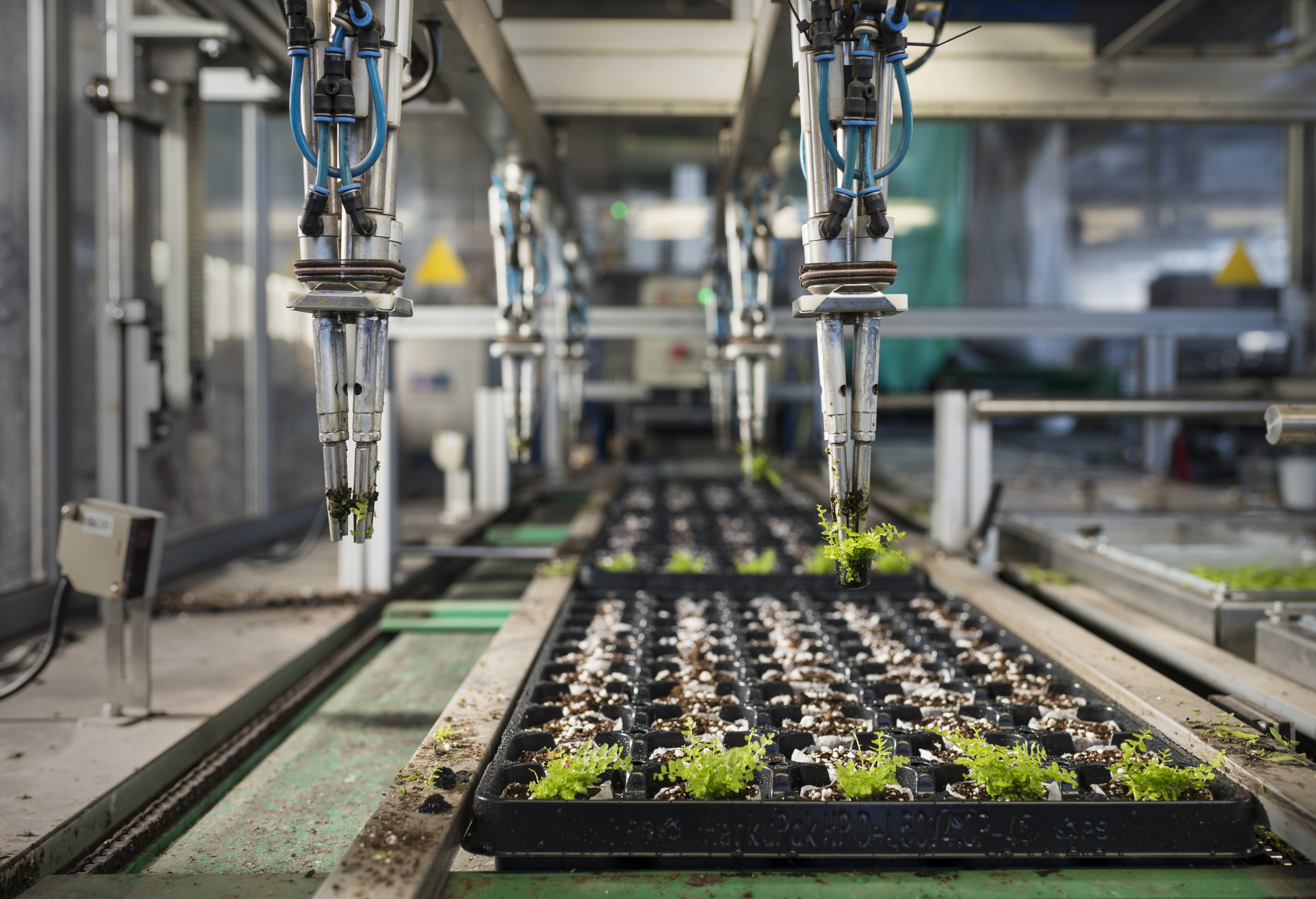
Robotisation in horticulture
Mischa Keijser

1. AI-Enhanced Mechatronic Systems Design

Artificial intelligence is revolutionising mechatronic system design in the Netherlands. Dutch research institutions are developing AI-based frameworks that optimise mechanical and motion systems with generative AI tools, enhancing creativity and design. 

“The skill sets that we need fall into the science side of things; backgrounds in artificial intelligence, computer vision, or computer programming are crucial to our success.”

Ken Fleming CEO, Fizyr

Real-time AI analytics enhance manufacturing decisions, risk management, and strategic planning, with pioneers such as TU Delft applying these methods in semiconductor and high-tech sectors.
 

2. Quantum Photonics Integration

The Netherlands leads the world in quantum photonics, facilitating breakthroughs in quantum communication, cryptography, and computing. The Quantum Delta NL ecosystem fosters innovation, projected to grow to €1 billion by 2027 and $300 billion by 2035 globally. 

"I think what's happening in Photonics will positively affect our industry, telecommunications, and optical wireless communication in space and ground applications."

Luís Pedro Oliveira Founder, Aircision

Research hubs in Amsterdam, Leiden, and Delft drive breakthroughs in secure communication, drug development, and environmental modelling.


3. Ultra-Precision Motion and Positioning Systems

The Netherlands continues to lead in developing and applying systems that achieve extreme accuracy and stability in motion and positioning, crucial for advanced manufacturing, scientific instrumentation, and semiconductor equipment. This includes innovations in stages, manipulators, and active vibration control to achieve sub-nanometer precision.


4. Model-Based System Engineering (MBSE) and Digital Twins

The adoption of MBSE approaches and digital twins is growing, allowing for more efficient design, simulation, and validation of complex mechatronic systems. This enables virtual prototyping, predictive maintenance, and optimized operational performance throughout the product lifecycle.


5. Mechatronics for Semiconductor Equipment

This remains a paramount trend, with the Netherlands at the forefront of developing the ultra-high precision, high-throughput mechatronic and optomechatronic systems essential for next-generation chip manufacturing. 

Innovations in lithography, wafer handling, and inspection tools are continuously refined to meet ever-smaller feature sizes.


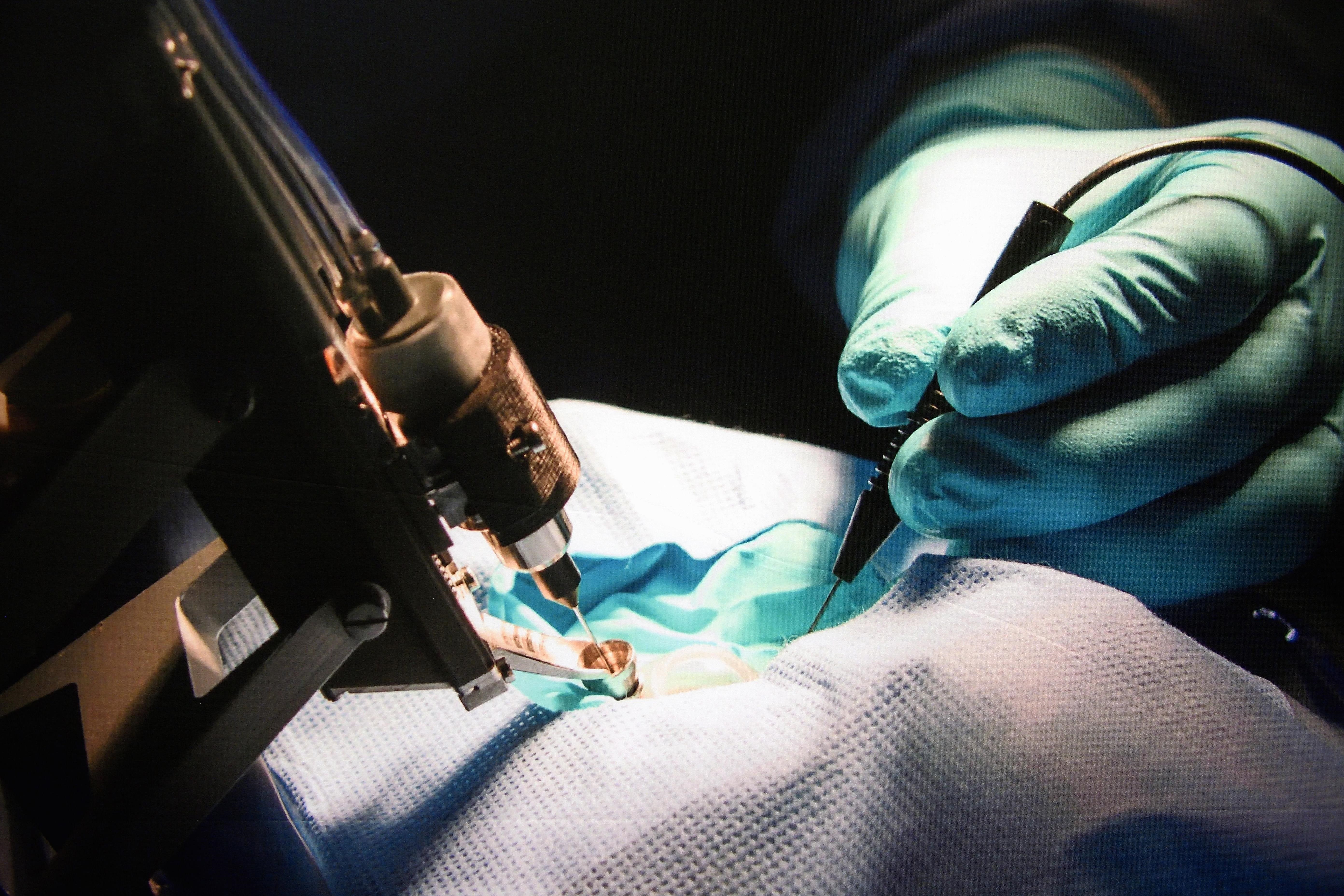
Preceyes develops surgical robots
Bas van Spankeren
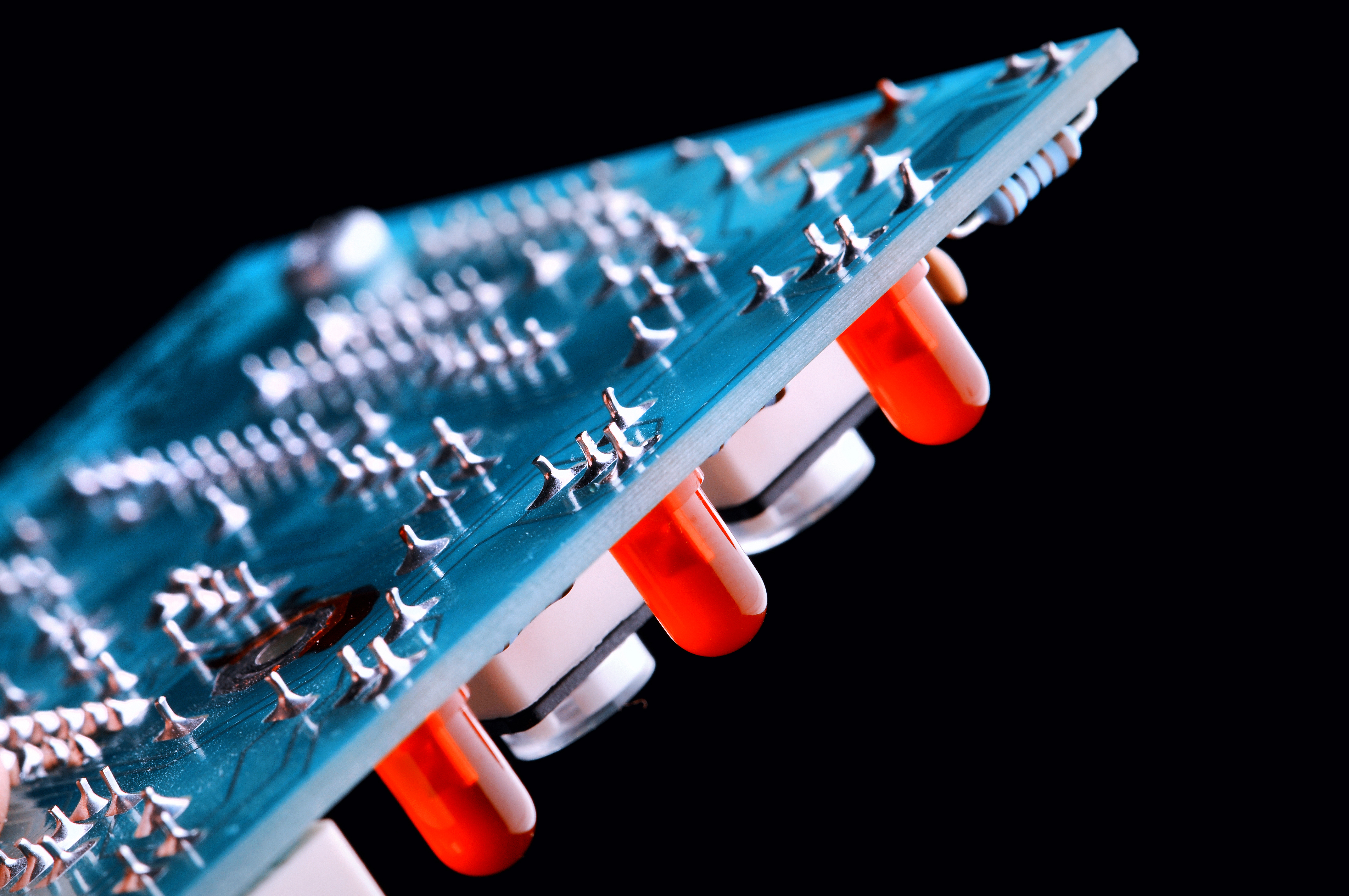
Chip
Brabant Brand Box

6. Metrology and Inspection Systems

Precise measurement and inspection capabilities are foundational. Trends involve developing advanced metrology systems, including optical and tactile methods, for in-line quality control and precision manufacturing. This ensures the quality and performance of mechatronic components and assemblies at every stage.


7. Precision Engineering at the Nanoscale

Companies in the Netherlands achieve remarkable precision, with lithography systems reaching picometer-level accuracy.

Innovations include magnetically levitating wafer tables that accelerate at 7g and ultra-precise manufacturing that integrates metrology and control. IBS Precision Engineering and JPE specialise in ultra-precision and cryogenic positioning for scientific applications.


8. Sustainable Aviation and Electric Propulsion

The Netherlands is a pioneer in mechatronics for sustainable aviation with a focus on electric propulsion for aircraft. Project DragonFly aims to electrify small planes, supported by Inholland University’s aeronautical engineering programs and partnerships with Airbus. Technologies focus on precision propulsion controls and certification for sustainable flight.

9. Robotic Integration and Automation

Robotics is rapidly expanding, with a $1.52 billion market forecast by 2033 and thousands of engineering roles open. 

“Mechatronics will be a critical enabler for practical applications of technologies such as medical robotics."

Ton Peijnenburg, Deputy General Manager (CTO) at VDL Enabling Technologies Group / Chairman NTS Coalition

The service robotics sector is experiencing strong growth in transportation, healthcare, agriculture, and hospitality, with companies such as Smart Robotics, Robotize, and OMRON leading advances in warehouse automation and sustainable manufacturing.


10. Digital Transformation and Data-Driven Manufacturing

The Dutch manufacturing sector is advancing its digital transformation by integrating IoT, big data, and advanced analytics. Real-time monitoring, predictive maintenance, and digitalisation of the supply chain improve efficiency and traceability. 

Initiatives such as the Dutch AI Coalition and ISPT Digitalisation Program support the adoption of AI and data-driven optimisation.


Next steps

Through collaborative innovation and collective knowledge, the Netherlands has become a worldwide frontrunner in mechatronics and optomechatronics. What makes it truly exceptional is its open spirit where scientists, engineers, and entrepreneurs work side by side, building solutions that matter.

By leveraging strong partnerships between world-class universities, pioneering companies, and dynamic innovation hubs such as Brainport Eindhoven, the Twente region, and Delft, the country invites forward-thinkers to innovate, grow, and belong.

Now is an opportune moment for innovators, engineers, and industry leaders to engage with this vibrant ecosystem. Joining the Netherlands’ mechatronics and optomechatronics sector means contributing to transformative technological advancements, sustainable industrial growth, and a future-ready economy that shapes global standards and benefits society.


More on Mechatronics & Optomechatronics in NL
To dive deeper, explore our articles on mechatronics & optomechatronics in the Netherlands and working in the industry.