Process Technology in the Netherlands

Global industries faced energy crises and pressure to reduce emissions. At the same time, the Netherlands forged process technology excellence through enduring university-industry partnerships that prioritise open collaboration over isolated R&D. The Netherlands stands as a global powerhouse in process technology, where leadership emerges not from isolated innovation but from a visionary ecosystem that redefines industrial sustainability through open collaboration.
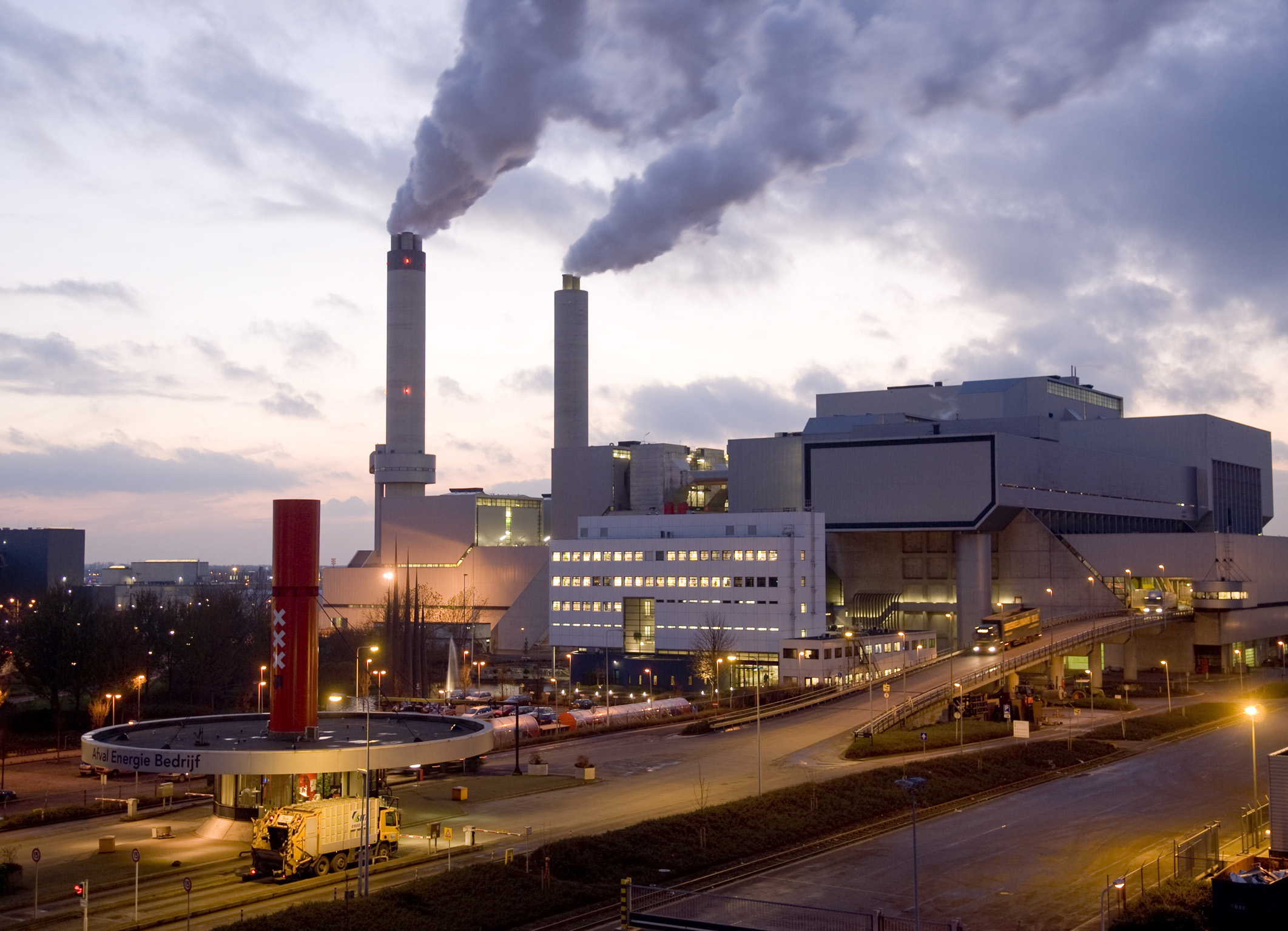
AEB Afval Energiebedrijf Amsterdam (Amsterdam’s Waste Disposal and Energy Company)
Lex de Lang / AEB

From foundational work by Hans Kramers on transport phenomena and Dirk van Krevelen's reaction engineering to modern ISPT (Institute for Sustainable Process Technology)-coordinated transitions, this strategic development created Europe's sustainable manufacturing powerhouse. This ecosystem attracts international talent like Antony Cyril Arulrajan, an Indian chemist-turned-entrepreneur, who earned his PhD at Leeuwarden's Water Campus and later founded IonIQs, a startup focused on advanced lithium extraction technology. Choosing the Netherlands over India for its superior process technology support and innovation risk tolerance, he connects fundamental chemistry with industrial applications. Elaborating on the Netherlands' unique process development ecosystem, he states, "The Netherlands as a country has people who are very aware of this process of developing a core technology from zero to whatever the market needs... Also, the Dutch Embassies helped us a lot to talk to companies in South America."

What sets Dutch process technology apart is this ecosystem philosophy of collective knowledge sharing that accelerates breakthroughs faster than competitive secrecy. The Dutch approach integrates process excellence with sustainability from the design phase, transforming entire industrial chains toward circular, low-carbon production. National policy combines chemical engineering mastery with public-private partnerships, driving zero-waste innovation across energy, chemicals, and advanced materials. These policies power regional innovation hubs and this progress reflects purposeful ecosystem building. ISPT leads three major transitions while regional powerhouses, including Rotterdam's green port, Brainport Eindhoven's high-tech campus, and Delfzijl's hydrogen cluster, connect industry leaders, research institutes, and startups in unified advancement.

Dutch process technology draws innovators worldwide to its world-class R&D centres, substantial climate investments, and strategic position in Europe's premier chemical corridor, creating prime opportunities for meaningful sustainable industry contributions.


Definition & Importance

Process technology in the Netherlands centres on efficiently converting raw materials into industrial products such as chemicals, food, and energy carriers. The sector optimises waste reduction, product quality, and environmental sustainability, serving as the backbone of modern manufacturing across energy, chemicals, and advanced materials. The sector's strength lies in its collaborative DNA where universities, research institutes, and industry share data openly, creating compounding innovation effects across energy, chemicals, and advanced materials. Experts like Antony reveal its universal applications. Antony Cyril Arulrajan uncovered process technology's broad reach during his Dutch journey. "Growing up, I thought process technology only happened in chemical plants," he admits. "But now I see it everywhere—even data centers need process engineers to control water flow and cooling, medical industries rely on it for quality control."

"Process technology or chemical engineering is a base that works almost in every industry, in different capacities, at different process stages—they're everywhere," Antony explains. His realisation transformed during Dutch studies, recognising process engineers as essential across manufacturing. This ecosystem bridges multiple industries through shared infrastructure and knowledge platforms, driving economic development and sustainable innovation at unmatched speed.

The Netherlands maintains a global leadership position through its strong chemical engineering heritage and close collaboration between universities and industry. This ecosystem bridges multiple industries through shared infrastructure and knowledge platforms, while driving economic development and sustainable innovation.


Market Size & Growth

Dutch process automation grows steadily from €438M in 2023 to €624M by 2030 (4.6% CAGR), while advanced process control surges faster at 9.5% CAGR, reaching €1.4B by 2032. Deeptech captured €1.1B of 2024's €3.1B VC funding, powering sustainable process innovations. Key segments drive this growth:

Segment-Specific Insights

Process intensification adoption hits 40% in chemical plants, targeting 75% by 2030, while refineries rapidly deploy green H2 and electrification for EU compliance. Dutch companies collaborate on shared pilot facilities rather than building duplicate infrastructure, accelerating commercialisation. Pharma and materials sectors embrace digital twins and membranes for precision manufacturing as energy-intensive industries lead circularity investments.

Productivity and Economic Impact

Process tech contributes 10%+ to Dutch GDP through 60% energy intensity cuts since 1990 and €50B sustainability investments. Open innovation platforms enable 2,500 facilities to adopt AI tools with €750M government backing, leveraging chemical clusters for maximum export returns.


Key Players & Market Share

The Netherlands hosts 19 of the world's top 25 chemical companies, including Dow, LyondellBasell, and BASF, among over 2,000 chemical firms. Unlike siloed global competitors, these giants actively share non-competitive R&D through national programs, creating industry-wide breakthroughs. Shell leads in sustainable refining, DSM specialises in bio-based materials, and Tata Steel pioneers circular carbon initiatives.

ASML dominates semiconductor equipment while the country anchors the Antwerp-Rotterdam-Rhein-Ruhr chemical mega-cluster, generating 30-40% of Europe's industrial turnover.


headshot of Antony Cyril Arulrajan
Antony Cyril Arulrajan, Co-Founder IonIQs
“Process technology or chemical engineering is a base that works almost in every industry, in different capacities, at different process stages—they're everywhere”

Technological Advancements

Dutch process industries fast-track Industry 4.0 through digital twins, asset analytics, energy management, and advanced process controls. Joint industry-university testbeds validate technologies at commercial scale before individual commitment, creating shared risk platforms that accelerate market entry.

Marco Waas witnesses this ecosystem power daily. As CTO and Sustainability Leader at Nobian chemical company, plus coordinator for the national action agenda for Process Technology and Process Intensification strategy, Marco sees the full landscape. "There have been a lot of innovation programs and 30 to 40 startups in this field over recent years," he shares. "We've talked to them all, reviewed every report, and created an energised action agenda focused on circular material hubs for carbon and critical materials." Marco's leadership together with a “verkenningsgroep”  has shaped this national agenda. This national coordination and focus multiplies impact. The agenda aligns with European studies like Draghi's competitiveness report and the Wennink Report, positioning Dutch process technology as a sustainable manufacturing leader. Dow-Shell electric steam cracker pilots cut Scope 1 emissions 90% while membrane technologies advance hydrogen separation, all validated through these shared innovation platforms. Process intensification delivers twofold efficiency gains through TU Delft-led development of 72 innovative equipment types. These players pioneer next-generation technologies.


Regulatory & Policy Environment

The Dutch industrial strategy emphasises digitisation, European cooperation, public-private partnerships, and talent attraction for strategic sovereignty and sustainability. The Top Sectors policy, since 2010, targets excellence in chemicals, energy, and high-tech through mandatory networking and joint action agendas.

The Netherlands' ambitious climate goals include achieving carbon neutrality by 2050, producing CO₂-free electricity by 2035, and reducing greenhouse gas emissions by 55% by 2030. Energy regulations encourage major industrial users to implement efficiency measures that deliver returns within five years, aligned with Europe's green and digital transition strategy.
 

Investment Climate

Dutch firms showed 97% investment activity in 2024 versus the EU's 87% average, ranking fourth in European VC with EUR 3.1 billion raised. Government funding requires consortium formation, ensuring single companies cannot monopolise national R&D resources. Climate investments doubled to EUR 41 billion from 2019 to 2023.

Deeptech captured 35% of the ecosystem, securing €1.1 billion as foreign investments drove 70% of growth-stage capital. Antony Cyril Arulrajan experienced this shift dramatically. "In India, investors are very risk-averse, especially for process technology where development takes 3-7 years," he explains. "I couldn't find anyone willing to fund that timeline. But in the Netherlands, there are experts who've already built these processes, plus investors who understand this track."

"So I get the knowledge, the previous experience, and the money needed to grow," Antony continues. "Plus outreach, RVO helped us connect with South American lithium mines through Dutch embassies." This support extends across the chemical sector. The chemical industry invests over €1 billion annually through public-private consortia like Biorizon and Voltachem. This ecosystem multiplies innovation velocity through shared infrastructure and open data platforms no single company could achieve alone.

The Netherlands attracts significant FDI despite recent net negative flows totaling €400 billion since 2019. Foreign investors still drove 70% of 2024 growth capital in Dutch tech deals between €50-100 million, proving the magnetic pull of Dutch process technology innovation. These investments fuel ecosystem-wide leadership. The Netherlands' collaborative ecosystem proves visionary leadership emerges from shared progress, positioning process technology for global dominance in sustainable manufacturing.

Ready to build a sustainable industrial future? The Netherlands offers global leaders unmatched R&D infrastructure, generous climate funding, and Europe's largest chemical corridor which is the perfect ecosystem for your innovation. These opportunities create rewarding careers.

 

Next steps

The Netherlands has evolved from a hub of industrial innovation into Europe's vanguard in sustainable process technology, fostering open collaboration over isolated R&D and collective progress over siloed advancements. This shift demonstrates that true leadership stems not just from cutting-edge tech but from a visionary ecosystem that redefines industrial sustainability for a greener global future.

The Dutch approach, blending top-tier research, massive investments exceeding €50 billion, trailblazing firms such as Shell, ASML, and Tata Steel, and robust public-private partnerships, offers a proven roadmap for industry excellence. Energy Transition Campus and hydrogen infrastructure initiatives demonstrate how the Netherlands prioritises process innovation as a foundation for ecological and economic success.

Dutch process technology professionals enjoy world-class hubs like Brainport Eindhoven and Rotterdam Port, generous grants, and collaborative learning that fast-tracks professional growth. Talented engineers, researchers, and entrepreneurs succeed with supportive policies, high-quality living standards, and countless collaboration opportunities.

Now is your chance to join this vibrant ecosystem as an innovator, engineer, or industry leader, contributing to sustainable process technologies that shape a resilient, low-carbon future in the Netherlands and beyond.


More on Process Technology in NL

To dive deeper, explore our articles on the 10 most important trends in the field of Process Technology and what it’s like working in the industry.